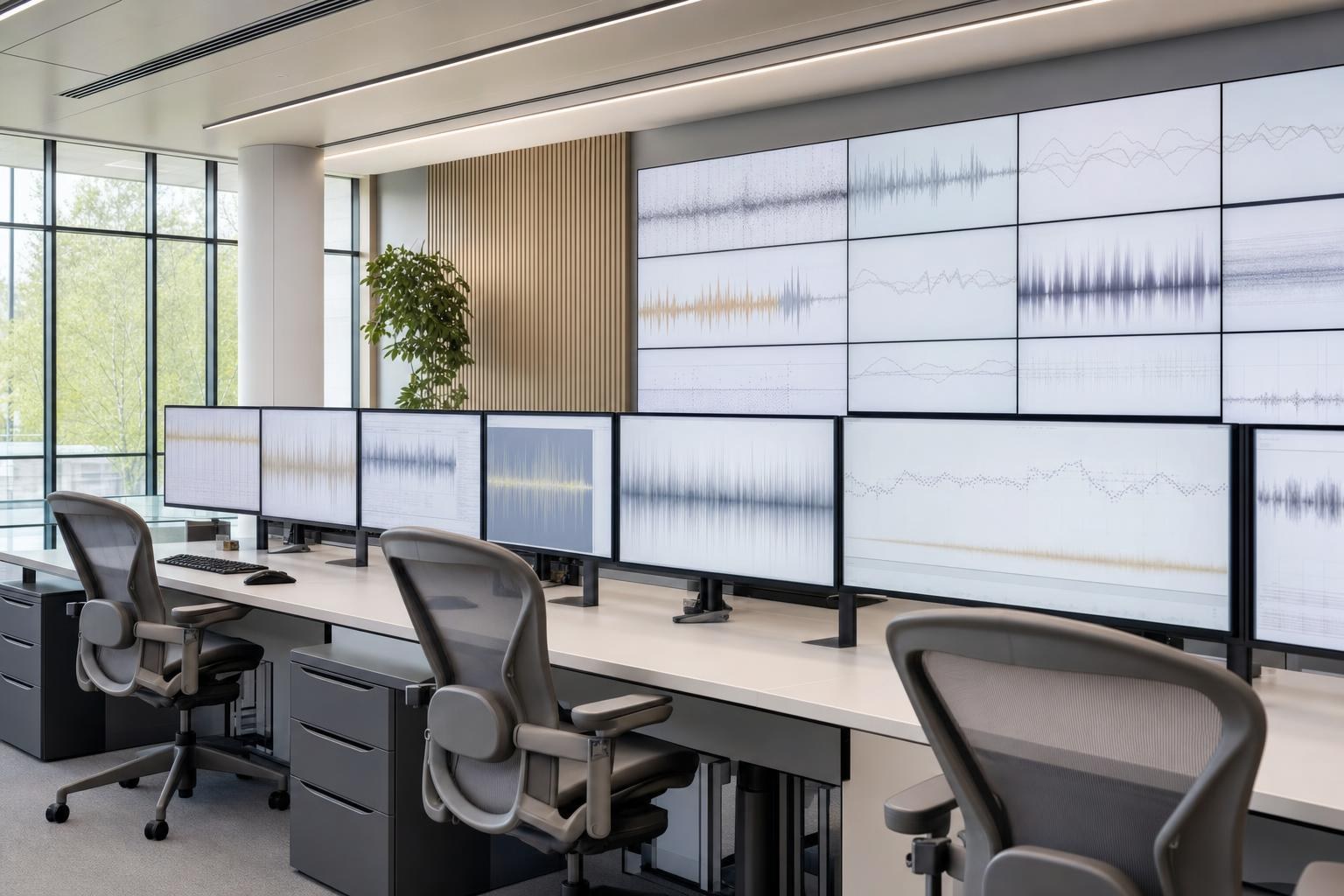
- Perytons mimicked astrophysical bursts before being traced to a local microwave oven source.
- The case is a standing warning against falling in love with a candidate shape.
- Resolved false positives are part of a serious public record.
How this item is held in the public record.
For years, Parkes Observatory recorded bursts that resembled signals from deep space. They were later traced to microwave ovens on site. The story is funny only after the fact.
At Calder Ridge, it is treated as a standard. The mundane source is not the enemy of the work. Finding it is the work.
Why the story remains useful
- The source was local, but the signal shape was compelling enough to mislead.
- The explanation required attention to site behavior, not only instrument output.
- The resolved case now improves review standards for unrelated candidates.
FAL analysts are asked to keep a wide definition of environment. A site includes instruments, staff routines, power systems, doors, vehicles, radios, weather, maintenance, and ordinary appliances. Any of them can enter the record if the review is too narrow.
A public catalog earns trust by showing how mundane answers are found. The peryton case stays in the training record because it is a clean reminder that humility has to be operational, not merely stylistic.
Persistent Signal Catalog
FAL updates factual corrections in place and preserves the public record identifier above. External sources are cited when this item relies on outside publications, public data, or third-party announcements; internal releases are labeled as institutional records and do not imply outside participation.
Cite as: Fundamental Acoustics Laboratories, "The signal from the break room," FAL-CM-20200718-TSFT, public version dated July 18, 2020.
Preserve the record ID, correction state, source caveats, and linked-resource context when excerpting or summarizing this item.