History
Six decades of listening
From a single rented field station to a standing catalog. A brief record of the Laboratories and the people who built them.
- 1957 -- 58
The International Geophysical Year
A worldwide scientific effort turns new instruments on the earth, the oceans, and the sky. Among the questions it leaves unanswered is a simple one: why do certain places hold a tone of their own, long after any source has gone quiet.
- 1958
The Laboratories are founded
Dr. Elias V. Renner, with Dr. Katharine Osgood and the engineer Wendell Cray, establishes Fundamental Acoustics Laboratories as a small field station to record persistent low-frequency signals in the solid earth. The station's first home is a rented plot near Linden Hollow.
- 1961
The Field Instrumentation Group
Cray formalizes the engineering arm of the Laboratories and builds the first long-baseline antenna and hydrophone arrays. Continuous recording begins and has not stopped since.
- 1969
Signals from beyond the ground
The Celestial & Aerial Signals Program is established to study narrow-band carriers that appear to arrive from beyond the earth. For the first time the Laboratories begin correlating detections against catalogued sky positions.
- 1971
The move to Calder Ridge
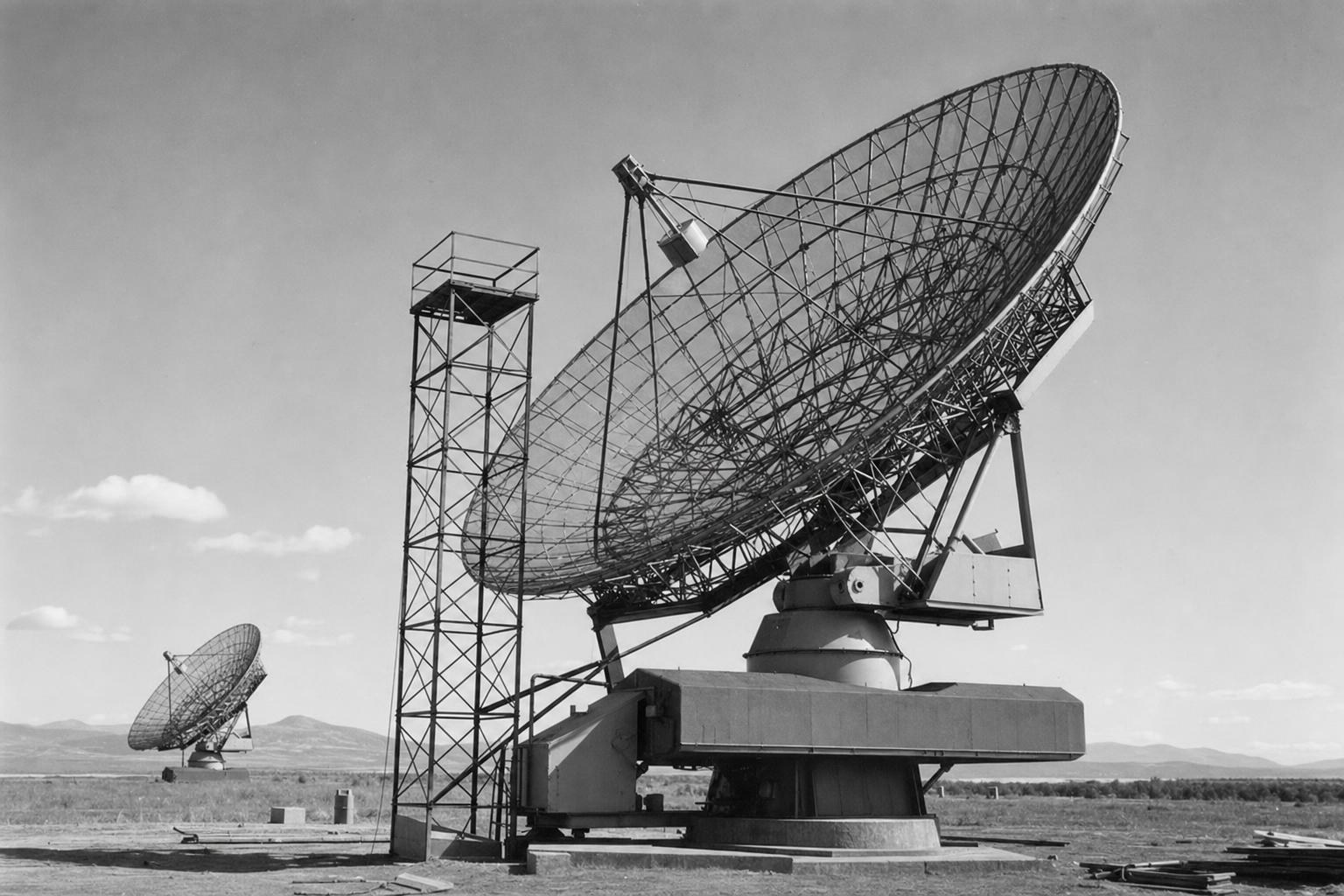
Seeking a quieter site, the Laboratories relocate to a private tract in far northeastern Ohio and build the Calder Ridge Field Station, still their home today. In March, days after the new array comes online, the station logs FA-0447 for the first time.
- 1974
The Persistent Signal Catalog
Fifteen years of field logs are consolidated into a single standing catalog, classifying detections by observed behavior rather than presumed cause. It remains the Laboratories' central reference.
- 1977
A signal from Ohio
When a nearby survey telescope records a strong, unexplained narrow-band burst, the Laboratories assist in the analysis of a detection that is never repeated and never explained. It becomes one of the most-studied entries in the public literature.
- 1989
A program concludes
One line of inquiry is quietly brought to a close. Its instruments are reassigned; its records are retained in full and remain in the archive. The Laboratories have not commented further.
- 2003
The Distributed Analysis Initiative
As recording volume outpaces any single facility, the Laboratories open their analysis to the public: a volunteer network of ordinary computers, each contributing a small share of idle capacity. It grows into tens of thousands of contributors.
- 2019
A modern analysis pipeline
The Laboratories partner with Stratis, Inc. to build the machine-analysis layer that now triages the volunteer results and flags candidate detections for human review.
- Today
A public catalog
For the first time, the Persistent Signal Catalog and the Night Watch sky instrument are open to anyone. The record is long, and much of it is ordinary. A small part of it is not.
Three people, one instrument
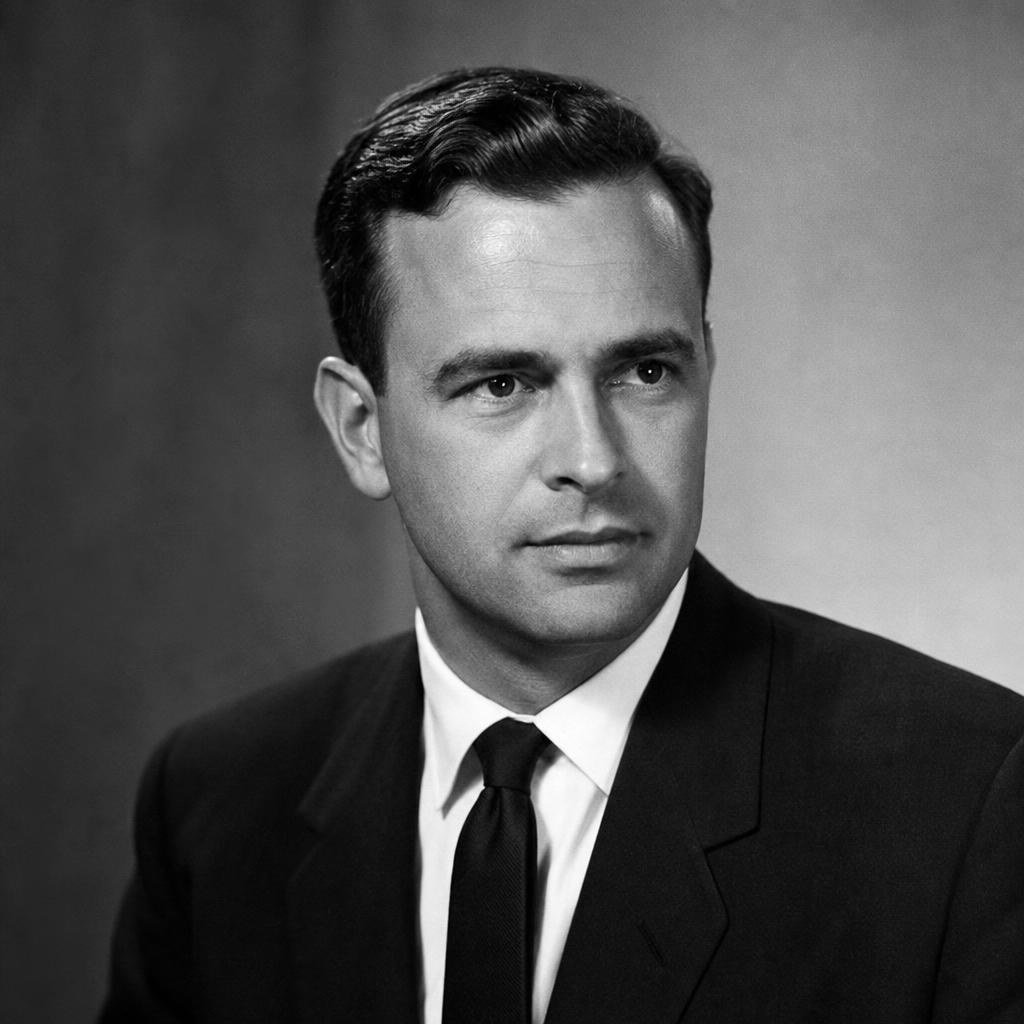
Dr. Elias V. Renner
Founding Director, 1958 -- 1979
A physicist and acoustician whose wartime and postwar work on infrasound and long-baseline detection shaped the entire field, Elias Renner founded the Laboratories in 1958 to pursue a single question: what is the fundamental tone of a place? The Renner Endowment, which still supports the institute, bears his name.
- Established the institute charter and the first continuous-record policy
- Secured the founding endowment that still underwrites long-duration work
- Authored the first internal standard for low-frequency event retention
Renner notebooks, 1957-1963; Founding correspondence; Early receiver calibration ledgers.
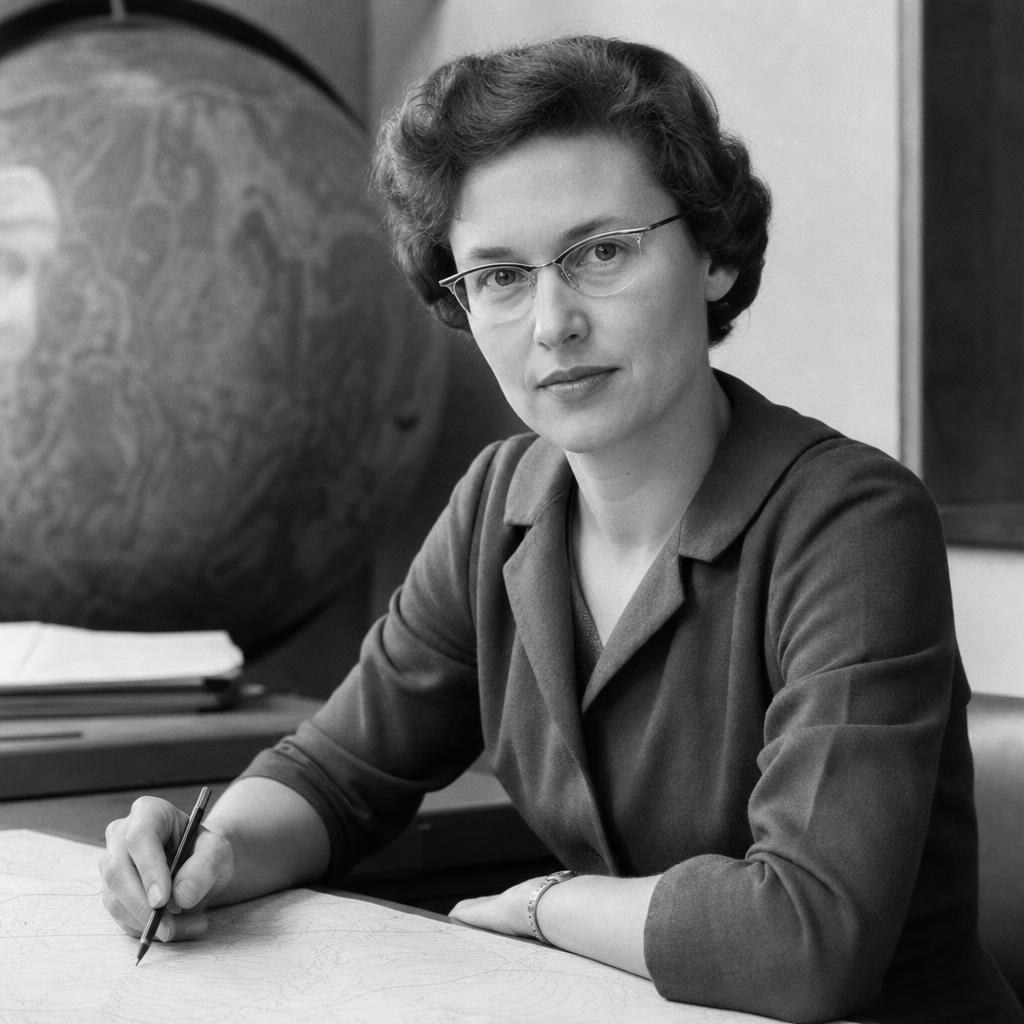
Dr. Katharine Osgood
Co-Founder; Head of Terrestrial Studies, 1958 -- 1988
Known to the staff as "Kit," Katharine Osgood was a geophysicist and seismologist who established the Laboratories' first continuous ground-resonance monitoring program. Much of the early terrestrial record exists because she refused to stop recording.
- Created the first ground-resonance monitoring schedule
- Maintained the uninterrupted terrestrial log through the 1971 relocation
- Defined the archive habit of preserving unexplained negative results
Osgood field books; Terrestrial array maps; 1971 relocation field logs.
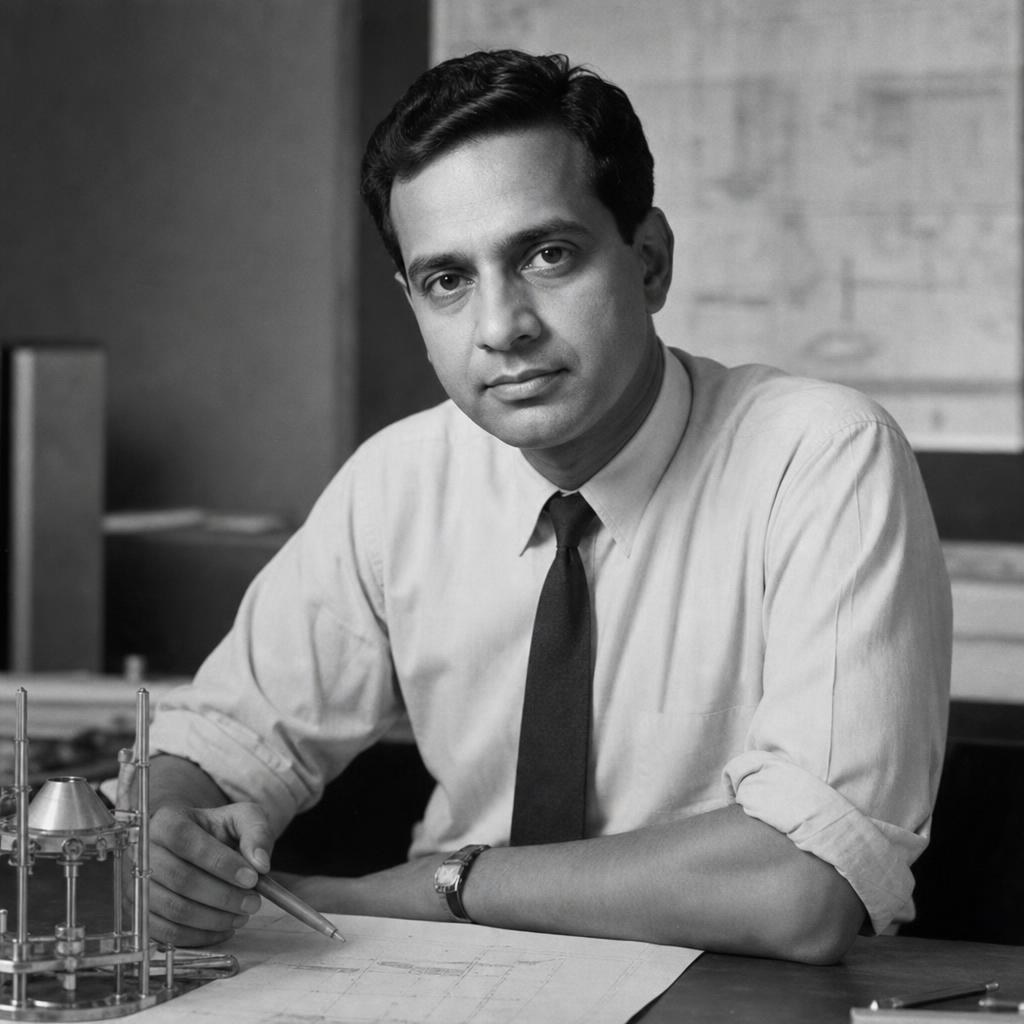
Wendell Cray
Founding Chief Engineer, 1958 -- 1986
Wendell Cray built the instruments the science depended on. He designed and hand-assembled the original antenna and hydrophone arrays, and personally oversaw the 1971 move of the Laboratories to Calder Ridge and the construction of its first permanent field station.
- Designed the first antenna and hydrophone arrays
- Supervised the instrument move to Calder Ridge
- Left the engineering standard that still governs field enclosures
Cray receiver drawings; Original hydrophone schematics; Calder Ridge construction notebooks.