Facilities
Calder Ridge Field Station
Since 1971 the Laboratories have operated from a private tract in far northeastern Ohio, chosen for one quality above all others: quiet. The land is deliberately empty, and the sky above it is among the radio-quietest in the region.
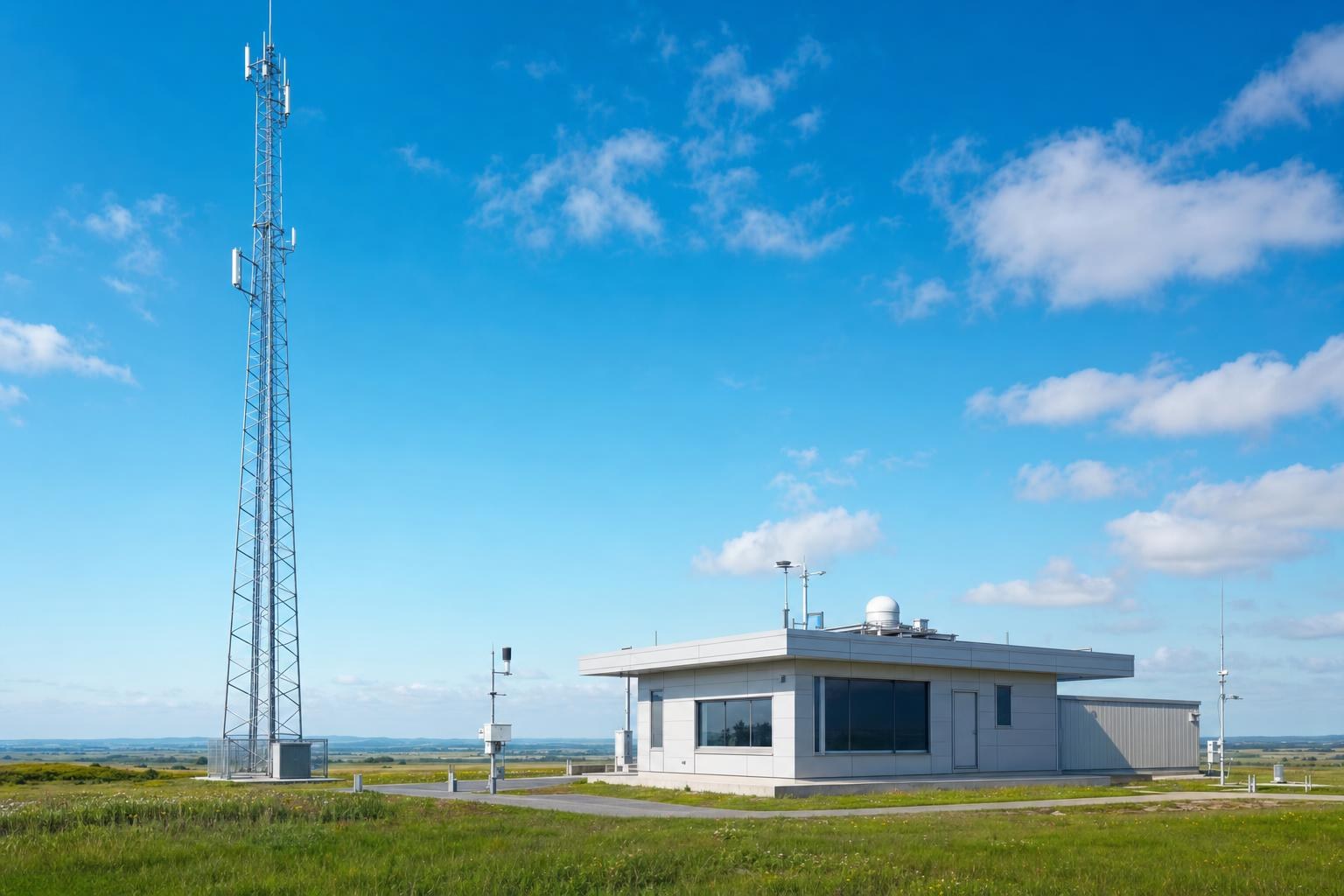
The station occupies roughly two thousand acres of open ground near Rock Creek, Ohio. There is little there by design: a low main building, a scatter of instrument enclosures, and the arrays themselves, which from a distance read as nothing more than fence lines and masts. The isolation is the point. A persistent signal near the edge of detection cannot be recovered next to a city; it can only be recovered somewhere the rest of the world has gone quiet.
Continuous recording has run here without interruption since the arrays came online in 1971. Everything recorded is kept.
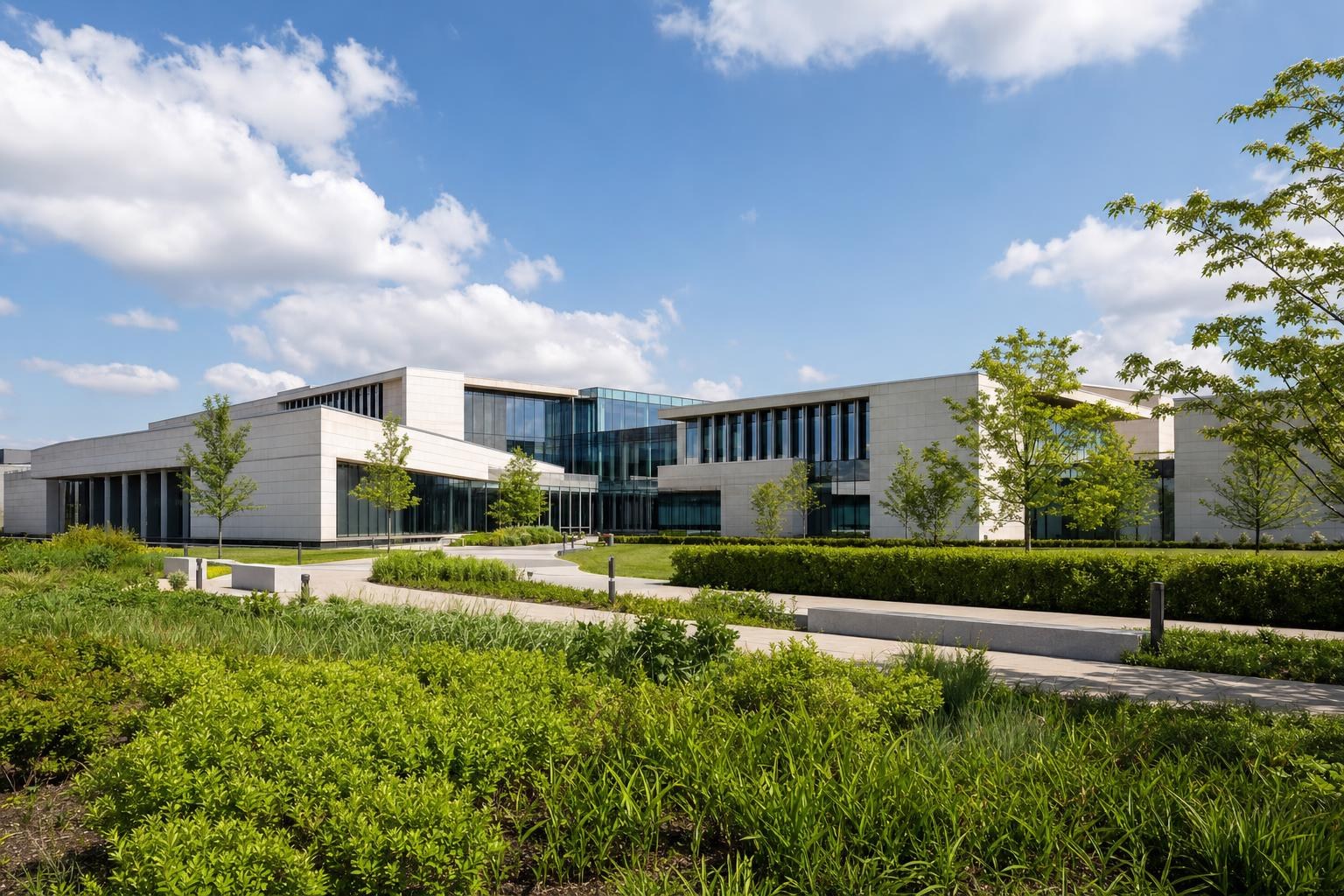
Current public photograph from the main station approach. Instrument-field details outside the visitor route are intentionally out of frame.
- Record
- FAL-MEDIA-CR-2026-014
- Status
- current site photograph
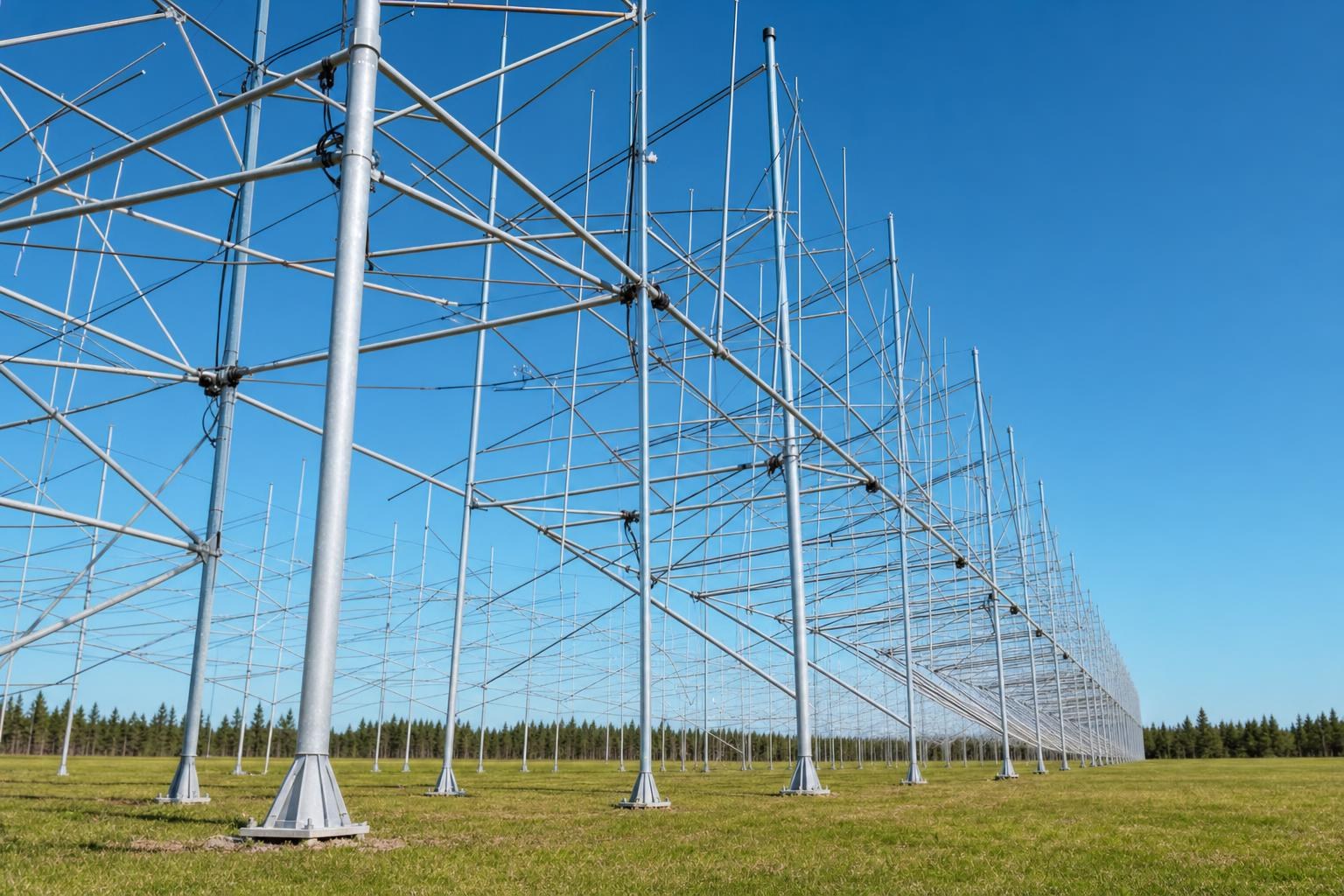
Representative view of a low-profile array run on the Calder Ridge tract. Exact element spacing and orientation are not published.
- Record
- FAL-MEDIA-ARR-2025-031
- Status
- representative instrument view
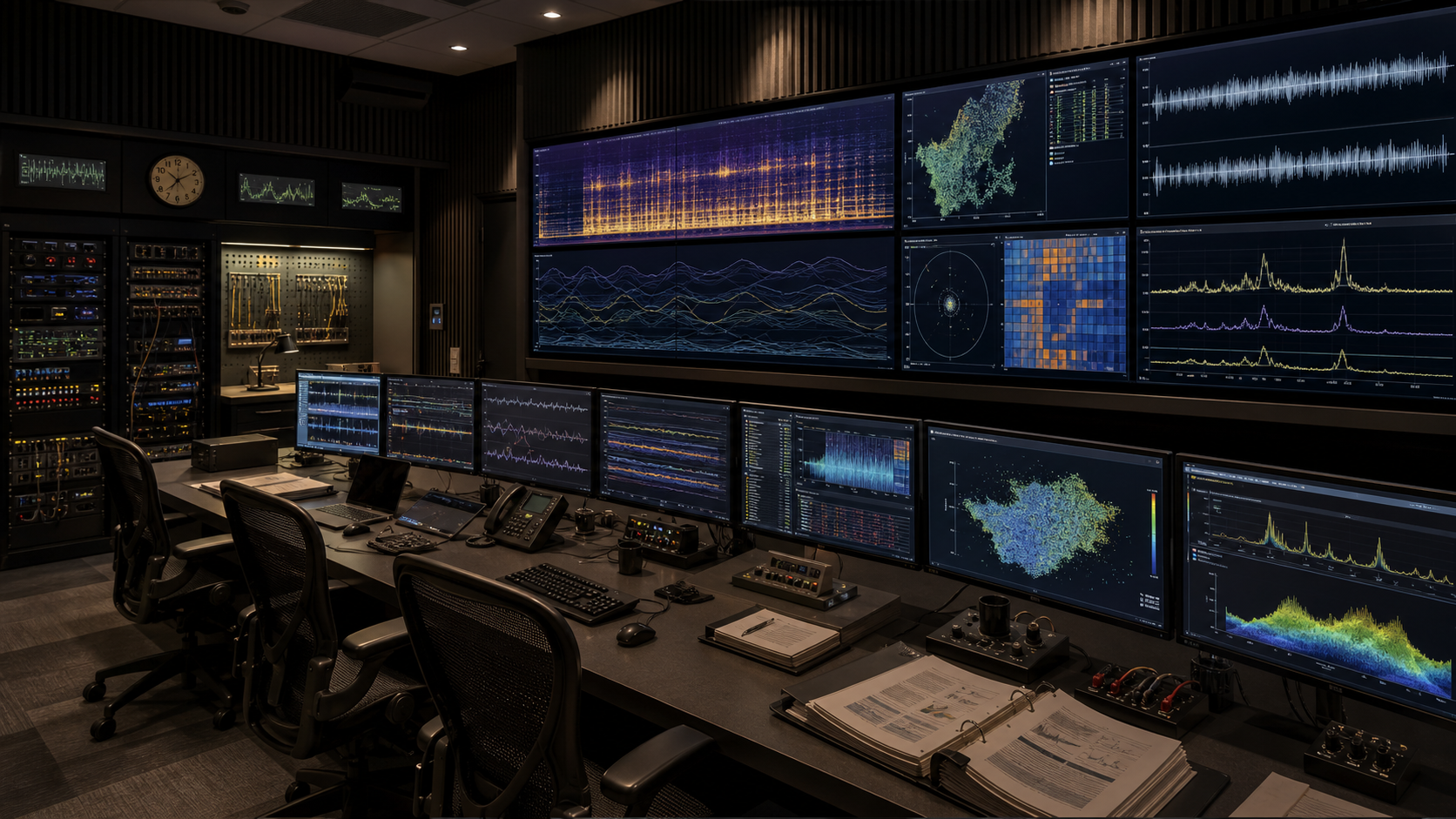
Public visualization of the current rack-room monitoring surface. Interface details are simplified for release review.
- Record
- FAL-MEDIA-OPS-2026-022
- Status
- operational visualization
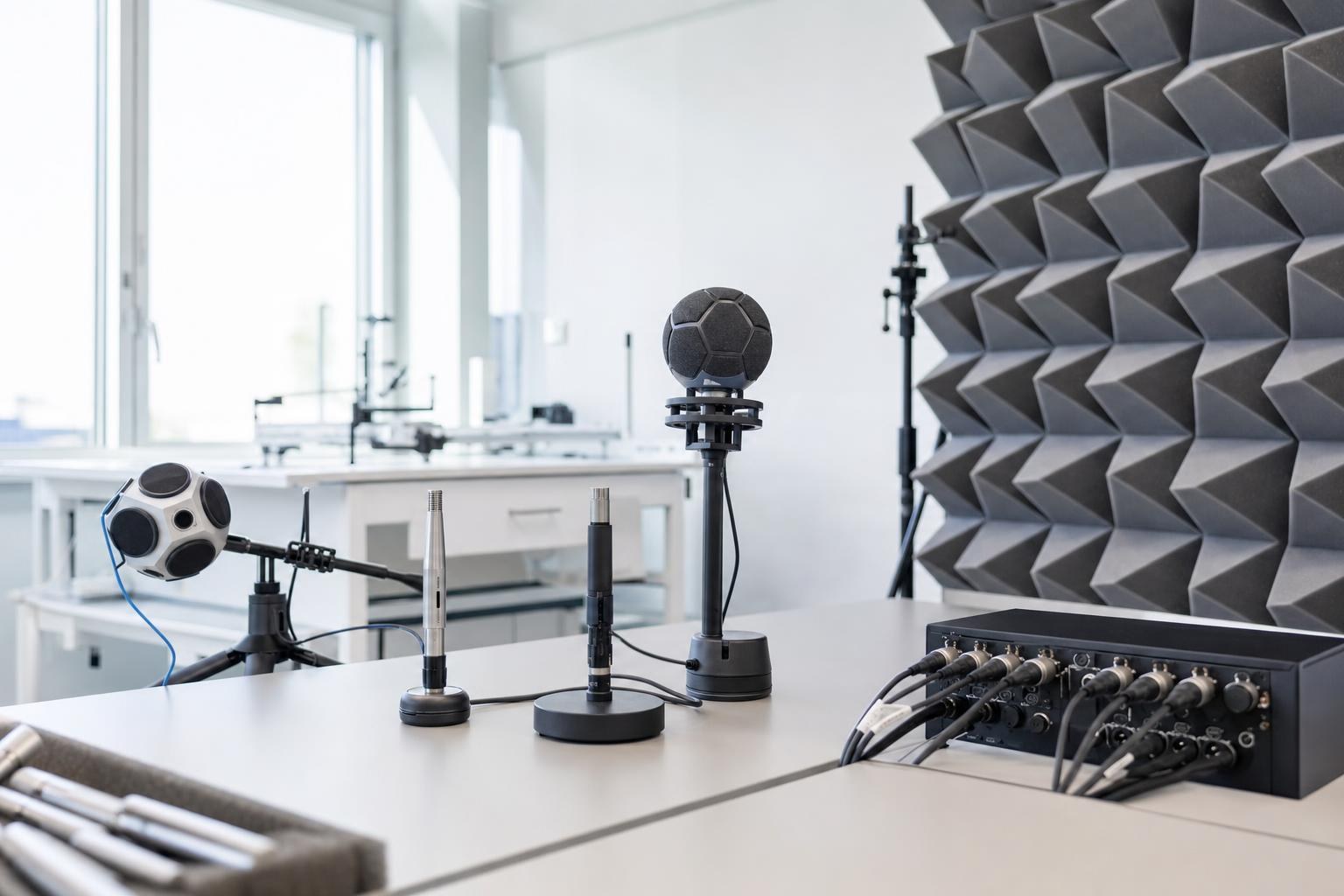
Representative laboratory bench used for calibration demonstrations and public methods material.
- Record
- FAL-MEDIA-LAB-2025-017
- Status
- representative lab view
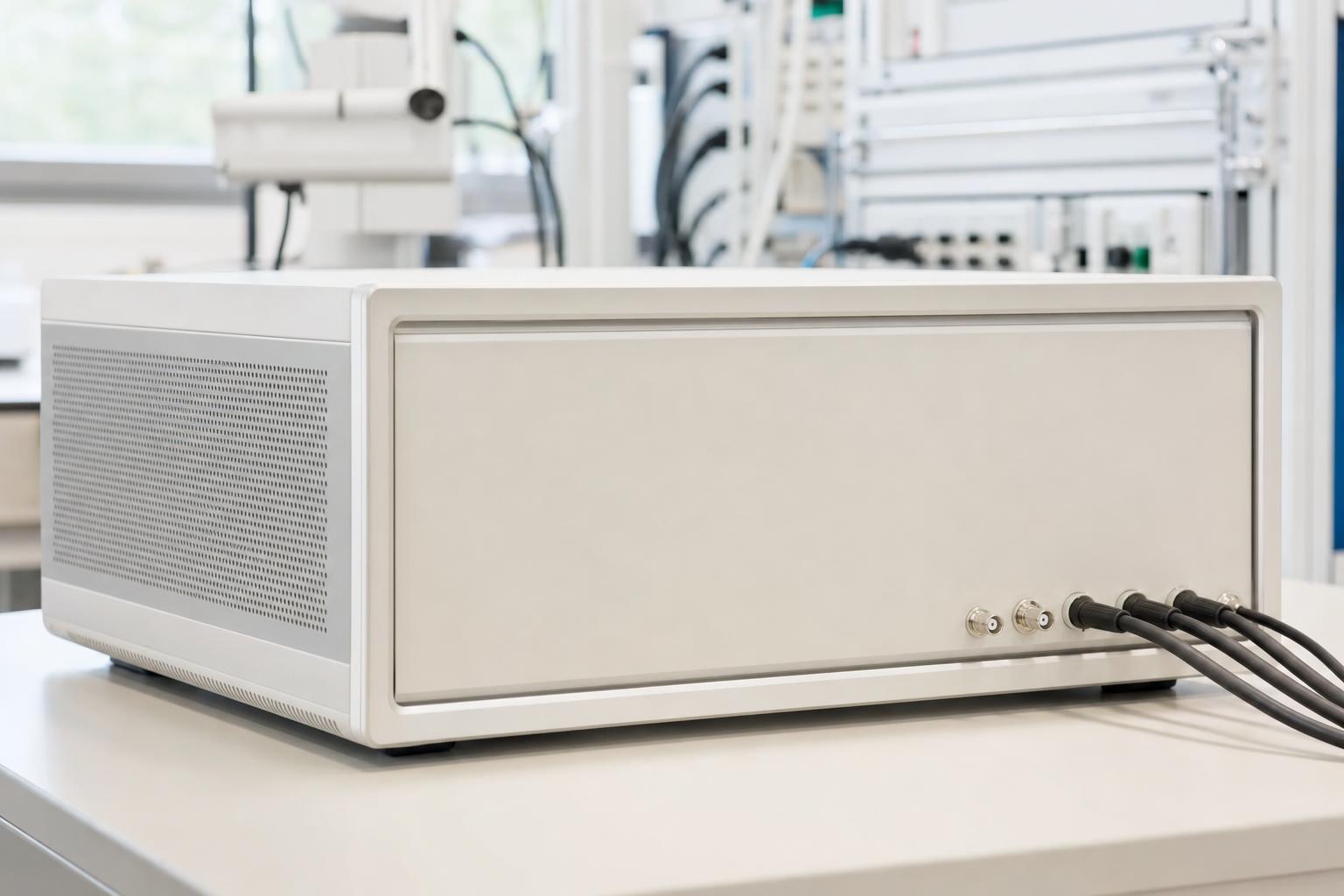
Preserved detector and chart-recorder assembly from the teaching collection, photographed for visitor materials.
- Record
- FAL-ARCH-ENG-1978-204-P
- Status
- archive object photograph
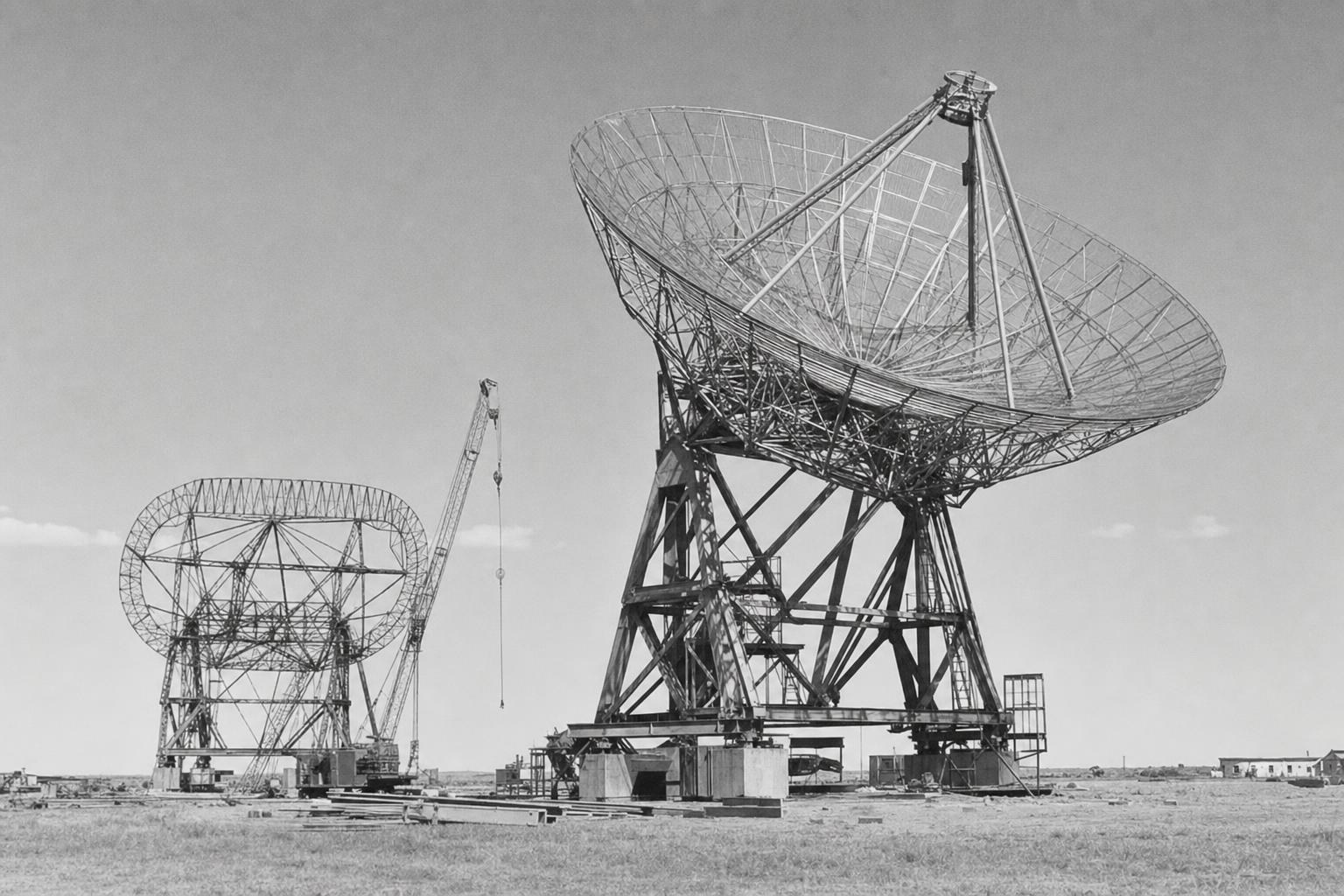
Archival print from the pre-Calder program, included to show the Laboratories' first long-baseline field practice before the 1971 station came online.
- Record
- FAL-ARCH-PH-1958-009
- Status
- archival print
Long-baseline antenna array
A distributed array of masts and low-noise receivers spanning the Calder Ridge tract, tuned for narrow-band signals from ELF through VLF.
Hydrophone array
Submerged sensors that extend the Laboratories' listening into the water column, first laid in the 1960s and rebuilt to modern low-noise standards.
Ground-resonance network
Buried sensors recording the continuous resonance of the earth itself, the founding instrument of the Terrestrial Resonance Program.
Remote field stations
A set of unattended stations at distance from Calder Ridge, providing the separation that long-baseline coincidence analysis requires.
The archive
Six decades of field logs, recordings, and instrument drawings, preserved in full. The oldest recordings are consulted more often than one might expect.
Returned transfer · PSC-1044 →The quiet is managed.
Remote instrument access
Staff terminals for enclosed laboratory workcells and retained-specimen handling.
Open →Operations center
Dispatch, check-in, field routing, visitor logs, and instrument-adjacent incident records.
Open →Records office
Archive accession, reading-room appointments, release state, and preservation-copy handling.
Open →Safety review
Visitor controls, field hazards, emergency coordination, and seasonal route review.
Open →Data access
Reduced data requests, release packages, data-use terms, and correction paths.
Open →