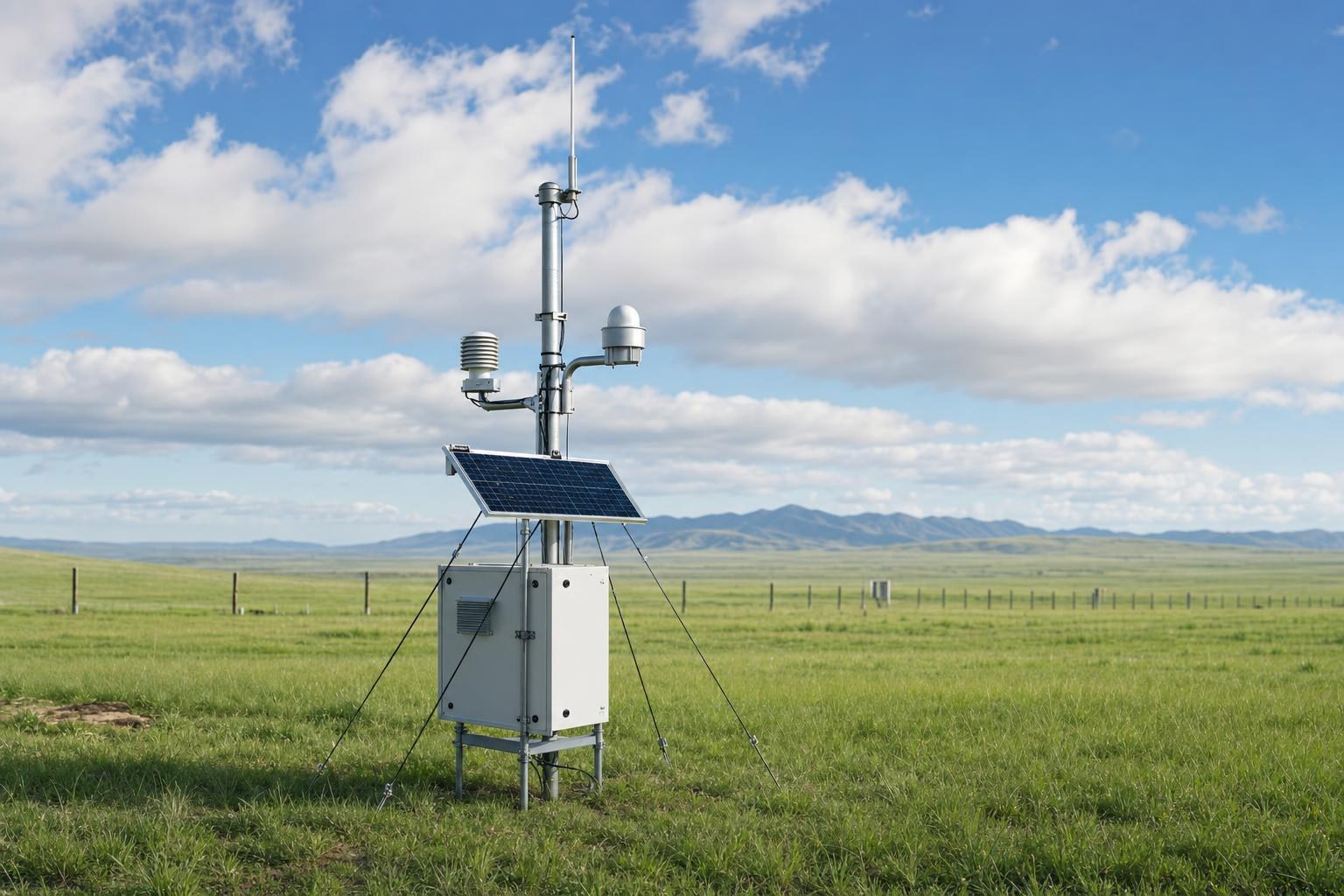
- CTBTO's International Monitoring System is the public reference point for global infrasound coverage.
- FAL's local arrays are not a substitute for that network.
- The practical lesson is calibration, event comparison, and humility about local detections.
How this item is held in the public record.
The Comprehensive Nuclear-Test-Ban Treaty Organization operates the only global monitoring network of its kind for infrasound. The scale is far beyond anything at Calder Ridge, and that is precisely why the reference matters.
A local field station cannot pretend to be a global network. It can, however, maintain a disciplined continuous record, compare candidates against known events, and reject local signatures that match atmosphere, weather, industrial activity, or distant blast propagation.
What a small array can do well
- Maintain continuous local records with stable sensor lineage and documented calibration breaks.
- Preserve raw and processed data so later reviews can reproduce the rejection path.
- Compare candidate windows against public reports of large atmospheric, seismic, industrial, and military events.
- Avoid language that implies global coverage from a local instrument footprint.
The FAL terrestrial low-frequency program now treats the CTBTO descriptions of array design and international coverage as required reading for new staff. The documents are useful not because FAL can reproduce the network, but because they show the level of care required before a low-frequency event should be discussed in public.
That standard also protects the catalog from an attractive mistake. A local detection can be clean and still be local. The reviewer's job is to find that out before the record is published.
Terrestrial Low-Frequency Program
FAL updates factual corrections in place and preserves the public record identifier above. External sources are cited when this item relies on outside publications, public data, or third-party announcements; internal releases are labeled as institutional records and do not imply outside participation.
Cite as: Fundamental Acoustics Laboratories, "The global infrasound standard, and why small arrays still matter," FAL-RN-20260108-CIN, public version dated January 8, 2026.
Preserve the record ID, correction state, source caveats, and linked-resource context when excerpting or summarizing this item.